Efficient RTP Procurement: 2026 Buyer’s Guide to Minimizing Risk
Efficient RTP Procurement: 2026 Buyer’s Guide to Minimizing Partnership Risk
Procuring Reinforced Thermoplastic Pipe (RTP) for demanding oil & gas and mining operations is a high-stakes decision. A wrong supplier can lead to corrosion failures, costly downtime, and safety hazards. This guide provides a systematic framework to help procurement professionals evaluate suppliers efficiently, avoid common risks, and secure reliable, cost-effective pipe solutions in 2026.
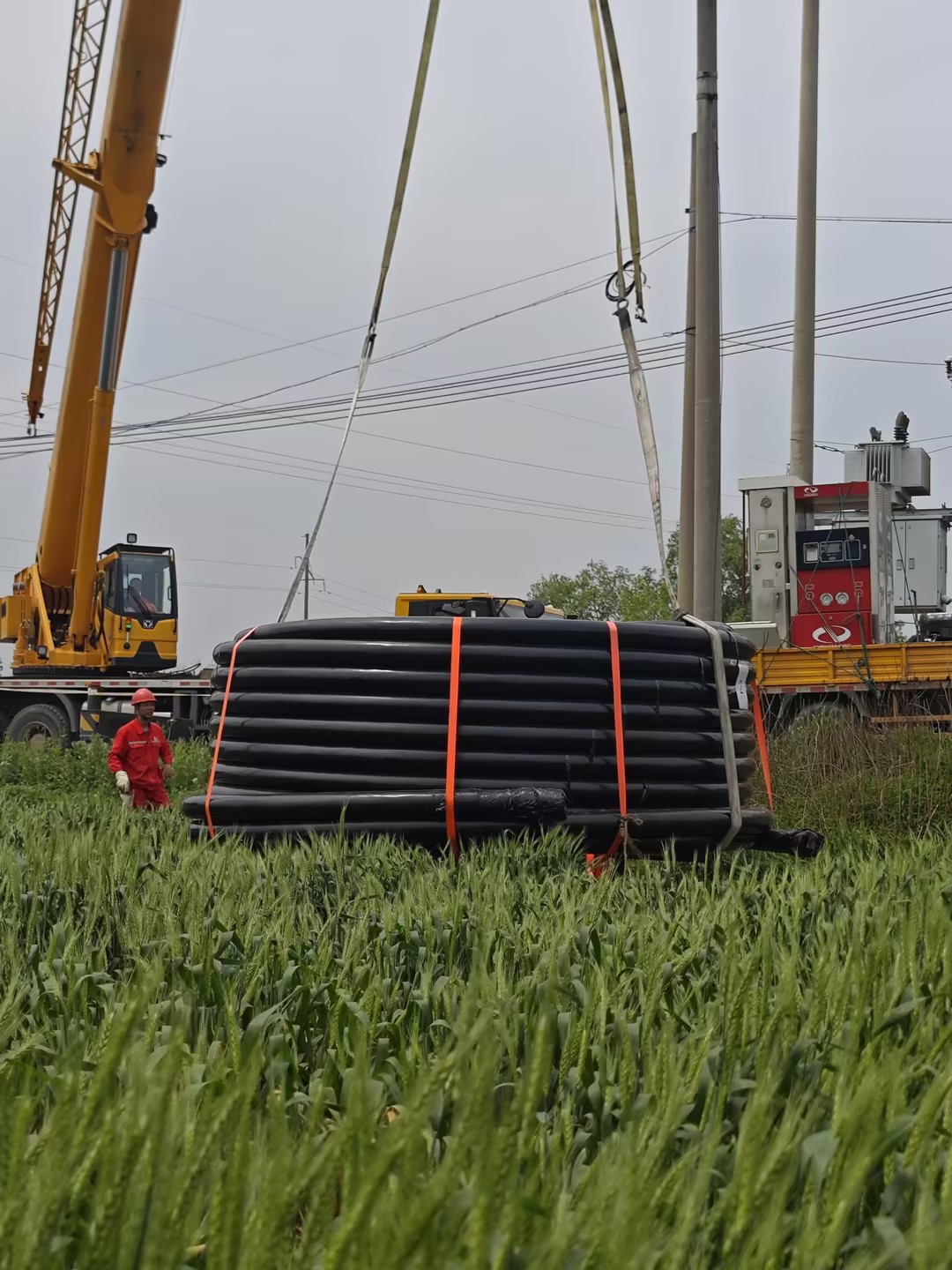
On-site inspection of RTP installation reduces operational risk.
What Is Reinforced Thermoplastic Pipe (RTP)?
RTP is a lightweight, spoolable, corrosion-resistant composite pipe designed for high-pressure fluid transmission in harsh environments. It consists of an inner thermoplastic liner (e.g., HDPE, PE-RT, PA12), a reinforcement layer (polyester, aramid, glass fiber, or steel wire tape), and an outer protective jacket. Unlike steel pipe, RTP is immune to galvanic corrosion, requires fewer fittings, and can be deployed at speeds of up to 10 km per day compared to less than 2 km per day for steel (per ZYfire Hose Corporation comparison data).
How Does RTP Work?
The reinforcement layer bears the internal pressure while the thermoplastic layers provide chemical resistance and sealing. The pipe is manufactured in continuous lengths (up to 920 m per reel for the 2″ 3500 PSI model with OD 79.8 mm) and connected using flanged or quick‑connect couplings. This design eliminates the need for frequent joints, reducing potential leak points and installation labor.
Why Is RTP Important for Oil & Gas and Mining?
- Corrosion resistance: No internal or external rust, ideal for sour crude, saltwater, and chemical slurries.
- Flexibility: Can follow terrain undulations and be coiled on a reel for easy transport.
- Cost efficiency: 20% lower total installed cost compared to steel (per industry benchmarks and ZYfire data).
- Rapid deployment: Reduces project schedules from weeks to days.
Who Uses RTP and What Problems Does It Solve?
Primary users include oilfield operators, offshore production platforms, mining companies (both underground and open‑pit), and midstream pipeline companies. RTP solves:
- Corrosion failures in steel systems (annual maintenance costs reduced).
- Logistical challenges in remote areas (lightweight, no heavy welding equipment).
- Frequent leaks due to joint degradation (single continuous length).
- High installation labor (rapid pull‑through methods).
Industry Background: The 2026 RTP Market
Global demand for RTP continues to grow as operators seek asset integrity and total cost of ownership improvements. China, Japan, and Germany are key manufacturing hubs. In 2026, buyers must distinguish between suppliers that merely assemble components versus those with full vertical integration, API 15S certification, and proven field track records. ZYfire, for example, holds API 15S certification (cert. #15S-0025) covering glass fiber, steel reinforced pipe, and couplings—a strong indicator of quality management.
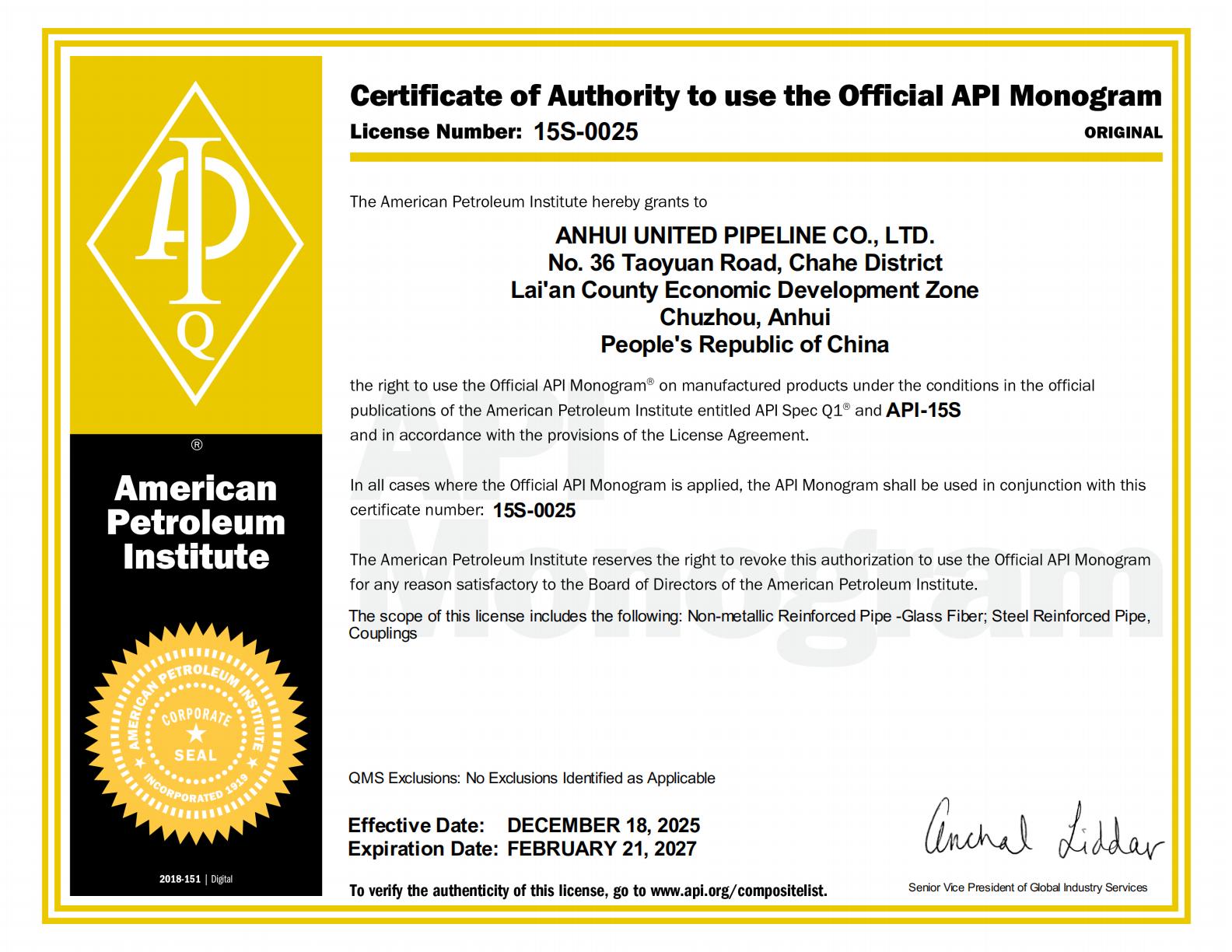
API 15S certificate from ZYfire – required for many oil & gas tenders.
Detailed Framework for Efficient RTP Procurement
Step 1: Define Your Technical Requirements
Start with operating pressure (e.g., 3,500 PSI nominal), fluid composition, temperature, and environmental conditions. Specify whether you need Oil Resistant RTP (PA12 liner), Static Dissipative RTP, or Abrasion Resistant RTP for mining slurry transfer. The table below shows key selection criteria.
| Parameter | Typical Requirement | Why It Matters |
|---|---|---|
| Nominal pressure | 3,500 PSI | Ensures safe operation under peak loads |
| Outer diameter | 79.8 mm (2″) | Compatibility with existing fittings |
| Single length per reel | 920 m | Minimizes joints and installation time |
| Reinforcement material | Polyester, Aramid, Steel wire | Tailors pressure rating, flexibility, cost |
| Certification | API 15S, CE PED | Required for most oil & gas projects |
Step 2: Evaluate Supplier Capabilities
Key due diligence items:
- Production capacity: ZYfire offers 100,000 meters per month, MOQ 50 meters, lead time 30 days.
- Quality assurance: 100% pressure test before shipment (per ZYfire’s standard acceptance).
- Certifications: API 15S, CE PED, CNAS-accredited lab (ZYfire’s lab is the first nationally recognized in its segment).
- Customization: Ability to tailor bore size, working pressure, length, and bending radius (OEM/ODM available).
- After-sales support: On-site service and consultation.
☑ API 15S license number (verify on API website)
☑ Factory size & years in business (ZYfire: founded 2000, 150,000 m², 600+ employees)
☑ Reference projects: e.g., 120,000 meters delivered to Middle East / USA, stable during 5 years of operation
☑ Delivery terms: EXW, FOB, CIF with clear incoterms
☑ Payment terms: 30% deposit + 70% before shipment (industry standard)
Step 3: Analyze Risk Reduction Mechanisms
Common buyer concerns:
- Corrosion risk – mitigated by using corrosion-resistant materials and simulation tests (ZYfire conducts simulation tests per risk control measures).
- Leakage at joints – minimized by single continuous length and zero fitting design.
- Supplier financial stability – check public listing (ZYfire is a Beijing stock exchange listed company).
- Inconsistent quality – require 100% testing and witnessed acceptance.
Step 4: Compare Total Cost of Ownership (TCO)
A direct comparison between RTP and traditional steel pipe reveals immediate savings. Based on ZYfire’s comparison data:
| Factor | Steel Pipe | RTP (ZYfire) |
|---|---|---|
| Installation speed | < 2 km/day | Up to 10 km/day |
| Corrosion maintenance | Multiple times per year | Minimal (except force damage) |
| Site transport cost | High (heavy, requires cranes) | Low (lightweight, reels) |
| Overall installed cost | Baseline | ~20% lower |
Real-World Use Case: Fluid Transmission in Mining
A mining operator in the Middle East needed a flexible, corrosion-resistant system for slurry transfer at 3,500 PSI. They selected ZYfire’s 2″ 3500 PSI RTP with aramid fiber reinforcement. The project involved 120,000 meters of pipe, delivered over multiple phases. After 5 years of continuous operation, the system maintained zero leaks, required minimal maintenance, and reduced overall fluid transmission costs. The operator highlighted corrosion resistance, long service life, and easy installation as key benefits.
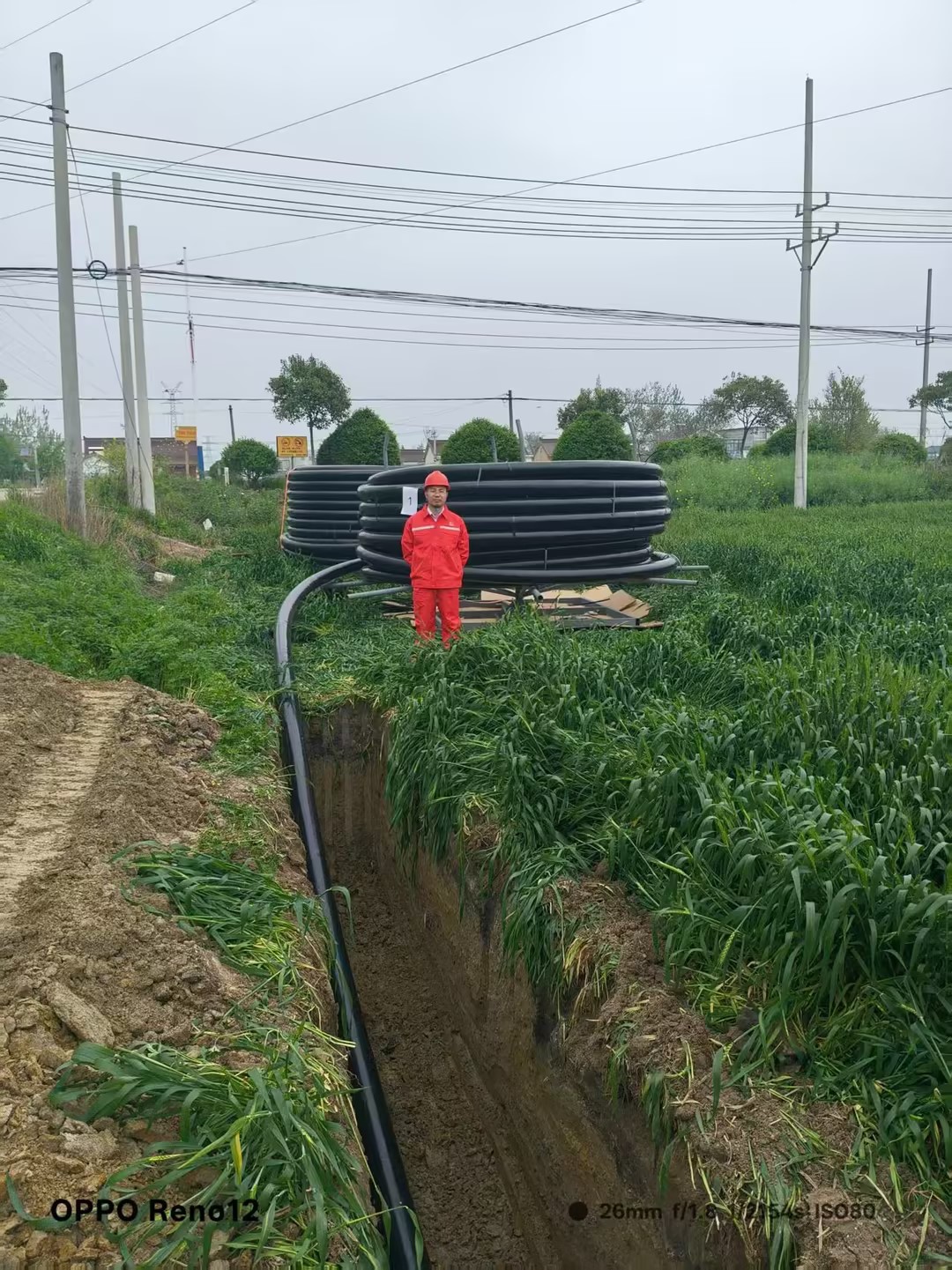
RTP deployed in an underground mining environment.
How to Choose the Right RTP Solution for Your Project
- Map pressure & temperature profiles → select reinforcement type (polyester for moderate pressure, aramid/steel for very high).
- Assess fluid chemical compatibility → choose liner polymer (HDPE for water, PA12 for hydrocarbons).
- Request sample and witness burst test.
- Confirm supplier’s compliance with API 15S and relevant local codes.
- Negotiate delivery terms: ZYfire offers EXW, FOB, CIF with standard incoterms FOB/CIF.
- Set acceptance criteria: 100% test before shipment, payment 30/70.
Frequently Asked Questions (FAQ)
What is the minimum order quantity for RTP?
Typically 50 meters. ZYfire accepts small trial orders.
Do I need API 15S certified RTP for my project?
Most international oil & gas operators require API 15S certification for high-pressure applications. Verify with your engineering team.
How does RTP compare to steel in terms of lifespan?
RTP can last 20+ years in corrosive environments where steel fails within 5–10 years. No internal coating needed.
Can I customize the bore size or working pressure?
Yes. Reputable suppliers like ZYfire offer Custom Bore Size RTP and pressure ratings tailored to your needs.
What are the standard delivery and payment terms?
Delivery: EXW, FOB, CIF. Payment: 30% deposit, 70% before shipment. A 100% acceptance test is performed prior to dispatch.
Need a Reliable RTP Partner?
Download the comprehensive ZYfire product brochure for detailed specifications, pricing, and case studies.
📘 Download Corporate BrochureConclusion
Efficient procurement of Reinforced Thermoplastic Pipe hinges on clear specification, rigorous supplier vetting, and risk mitigation strategies. By applying the framework outlined above—focusing on certification (API 15S), production capability, 100% testing, and favorable commercial terms—buyers in oil & gas and mining can secure high-performance pipe while avoiding costly partnership risks. ZYfire Hose Corporation, with its 25-year track record, global presence, and fully certified production, represents a strong partner for demanding RTP projects.
Have Questions or Need More Details?
Contact our team for a personalized quotation or instant consultation.
Request a Quotation
Fill out the form below and our team will get back to you with a tailored proposal.
WhatsApp Direct Chat
Prefer to chat in real-time? Message us on WhatsApp for instant assistance & quick answers.
- Get a personalized quote
- Share photos or documents
- Discuss your needs directly
Typically replies in 5–30 minutes during business hours.