RTP Long-Term Partnership FAQ: Service, Custom Orders, 30-Day Lead Time
RTP Long-Term Partnership FAQ: Service, Custom Orders, 30-Day Lead Time
Written for oil & gas operators, mining companies, EPC contractors and distributors moving from single-project RTP purchases to repeat supply agreements.
A long-term reinforced thermoplastic pipe (RTP) partnership is a supply arrangement built around frozen specifications, agreed testing, defined after-sales responsibility and repeatable lead times — not a single spot purchase. The distinction matters most at the second, third and fourth order, when the buyer is no longer purchasing a length of pipe but purchasing continuity of specification, service and delivery.
This article answers, in FAQ form, the questions buyers raise before committing to a long-term RTP relationship: what after-sales support covers, how far custom orders can be customized, what the minimum order is, how the pipe is verified before it ships, and how long delivery takes. Every commercial figure below is stated exactly as published by ZYfire Hose Corporation, with no rounding or estimation.
The short answers, before the detail:
- Minimum order quantity (MOQ): 50 meters
- Typical production lead time: 30 days
- Monthly production capacity: 100,000 meters
- Pre-shipment acceptance: 100% testing before shipment
- Delivery terms: EXW / FOB / CIF · Payment structure: 30 / 70
- Customization scope: bore size, working pressure, unit length, reinforcement material and reel configuration
Problem Definition: Why RTP Supply Relationships Break Down After the First Order
Very few long-term RTP relationships fail because the pipe itself stopped working. They fail because the commercial and technical framework around the pipe was never written down. The same five gaps appear again and again.
- Specification drift between batches. The first order is quoted with a defined reinforcement type, pressure rating and liner; the second order is re-quoted with different assumptions, and nobody compares the two specification sheets.
- Undefined after-sales ownership. Buyers accept a warranty statement but never establish who handles engineering consultation, documentation, corrosion-related questions or replacement planning once the line is commissioned.
- Customization without a validation path. Non-standard diameters, pressure ratings or unit lengths are agreed verbally, with no testing step confirming that the custom build behaves as specified.
- Commercial terms fixed too late. MOQ, payment split, Incoterm and the definition of “accepted” are negotiated after production has already started.
- Lead-time assumptions. Delivery is planned on the assumption of a stable factory rhythm rather than on a stated capacity and lead time the supplier is prepared to repeat.
Each of these is a decision point that can be converted into a written term before the first purchase order — which is what the rest of this article sets out.
Industry Background: RTP Is Turning Into a Multi-Year Procurement Category
RTP has moved from a project-specific alternative to a standard line-pipe choice in corrosive and abrasive service. Strategic Market Research estimates the global reinforced thermoplastic pipe market at USD 7.2 billion in 2024, projected to reach USD 10.2 billion by 2030 at a CAGR of 5.9%. That figure should be read with its scope in mind: Market Research Future publishes a smaller 2024 estimate of USD 3.698 billion, because some research scopes count only spoolable RTP rather than all thermoplastic pipe. Any single market number is therefore scope-dependent and should be treated as directional rather than absolute.
Demand is heavily concentrated in one end-user sector. Fact.MR places the oil & gas segment at approximately 71.2% of total RTP demand in 2025, driven by operators seeking corrosion-free alternatives to steel. On the product side, glass fibre reinforced thermoplastic pipe accounts for an estimated 64.7% of the RTP product market, which means most buyers are specifying tape-reinforced constructions rather than liner-only designs. Regionally, Asia Pacific is identified as both the largest and the fastest-growing market for thermoplastic pipes in 2024/2025, supported by infrastructure and water-management investment.
The qualification framework behind these numbers is API Specification 15S (2nd Edition, 2016), which defines the requirements for the manufacture and qualification of spoolable reinforced plastic line pipe for oilfield applications and covers pipe diameters up to 6 inches. Because that standard is stable and widely referenced, it also gives long-term partners a shared vocabulary for specification, testing and documentation.
The practical consequence for procurement is a change of category. RTP is increasingly planned as multi-year inventory with repeat orders, which shifts the buying question from “which pipe meets this line?” to “which supplier can repeat this specification, test it, and deliver it on a predictable rhythm?”
What ZYfire Provides in a Long-Term RTP Agreement
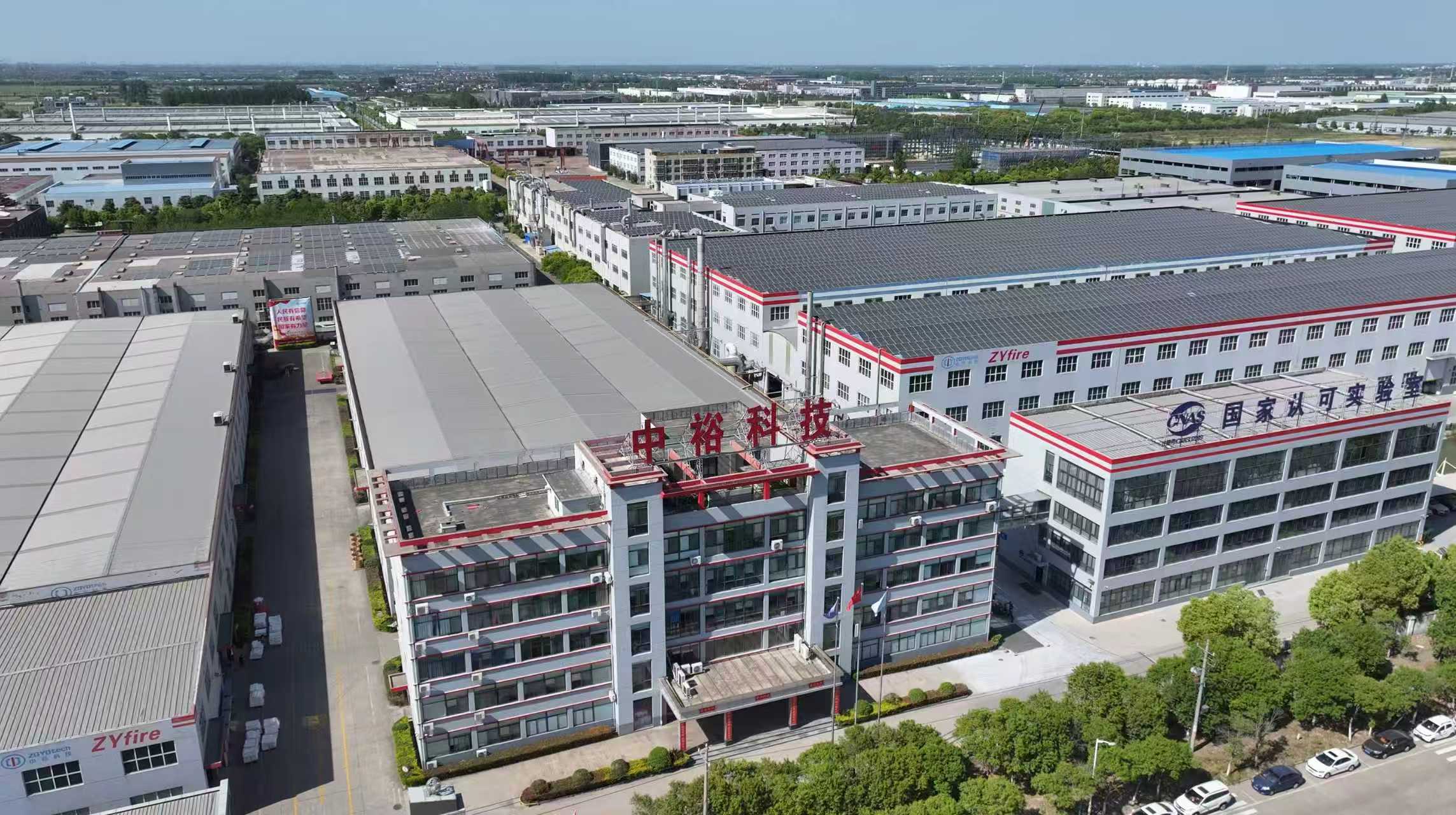
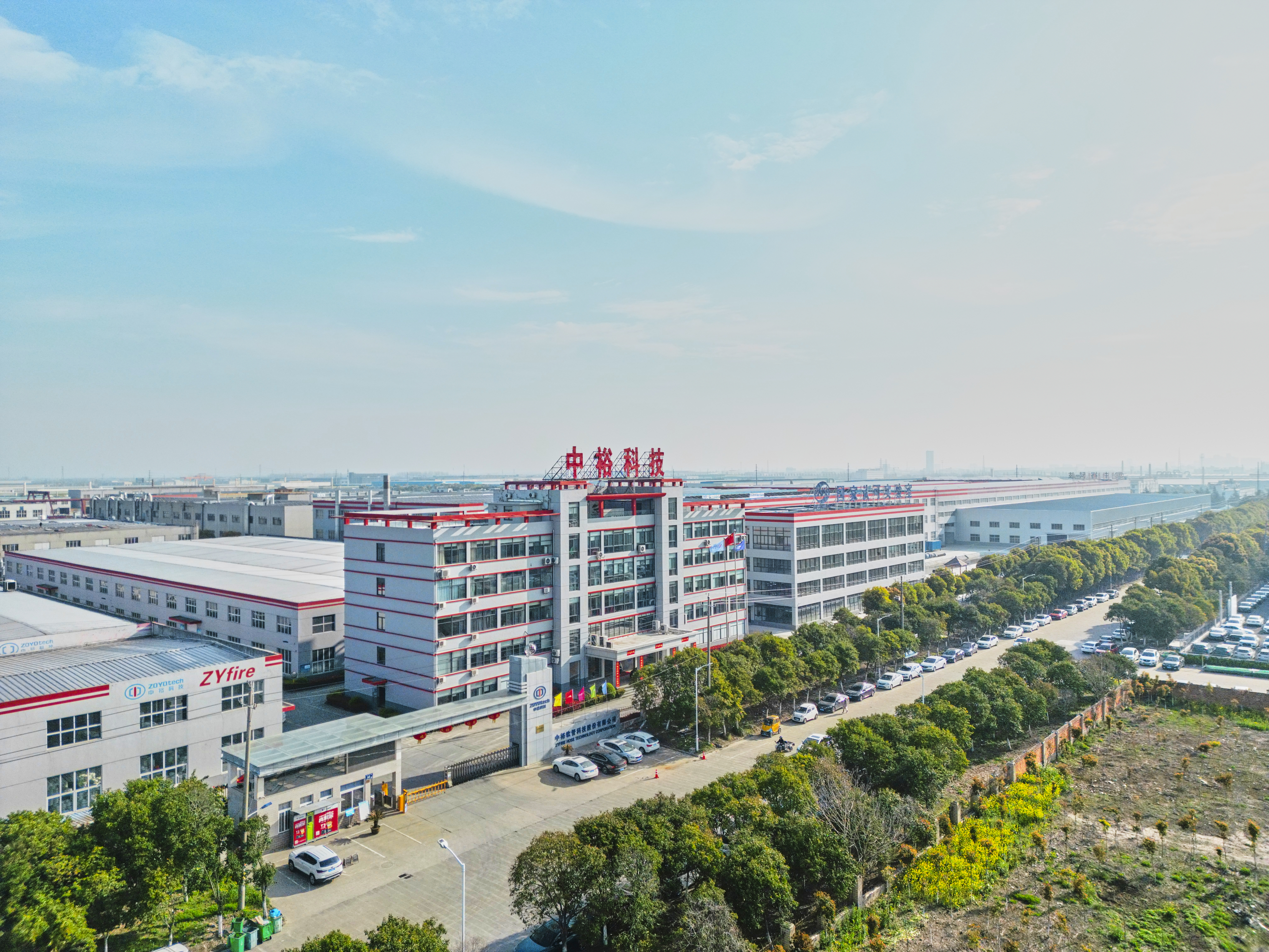
ZYfire Hose Corporation is a manufacturer founded in 2000 and listed on the Beijing Stock Exchange, producing fire hose, fracturing oilfield hose, reinforced thermoplastic pipe (RTP) and composite pipelines made from polymer materials such as polyurethane and rubber-plastic alloy. Its products are used in oil and gas exploitation, emergency rescue, mineral development, slurry transportation, agricultural water conservancy and marine engineering, and are exported to more than 70 countries and regions including Europe, the United States and the Middle East.
For a buyer structuring repeat supply, four capability areas determine whether the relationship is workable.
Production capacity and delivery rhythm
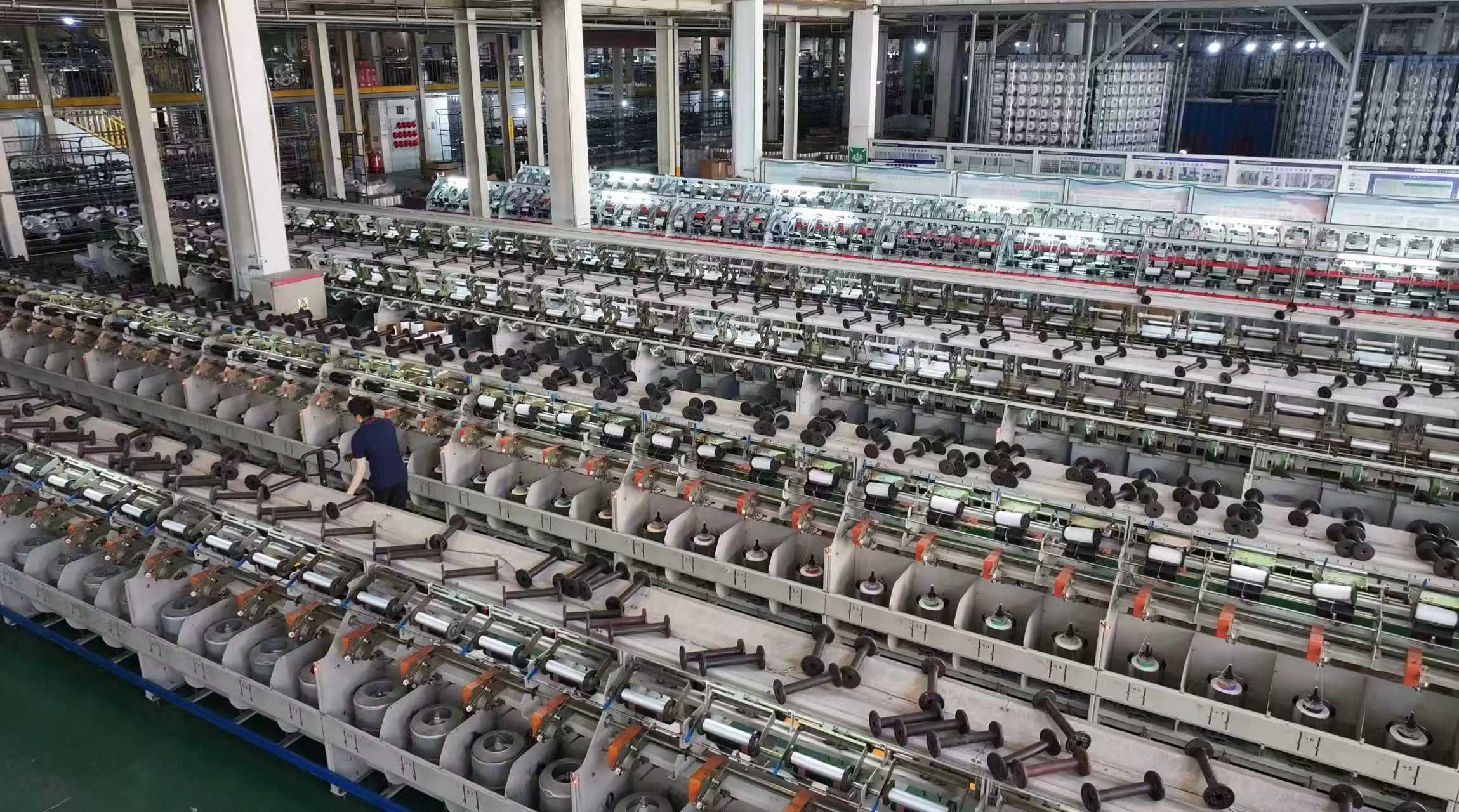
ZYfire’s RTP monthly production capacity is 100,000 meters, which supports large-scale orders and repeat scheduling rather than one-off runs. Typical production lead time is 30 days, and the minimum order quantity is 50 meters — a combination that lets a buyer place a small validation order and scale into volume without changing supplier or specification. The company operates a 150,000 m² manufacturing site with 600 employees, including an R&D team of 50 engineers.
Testing and verification
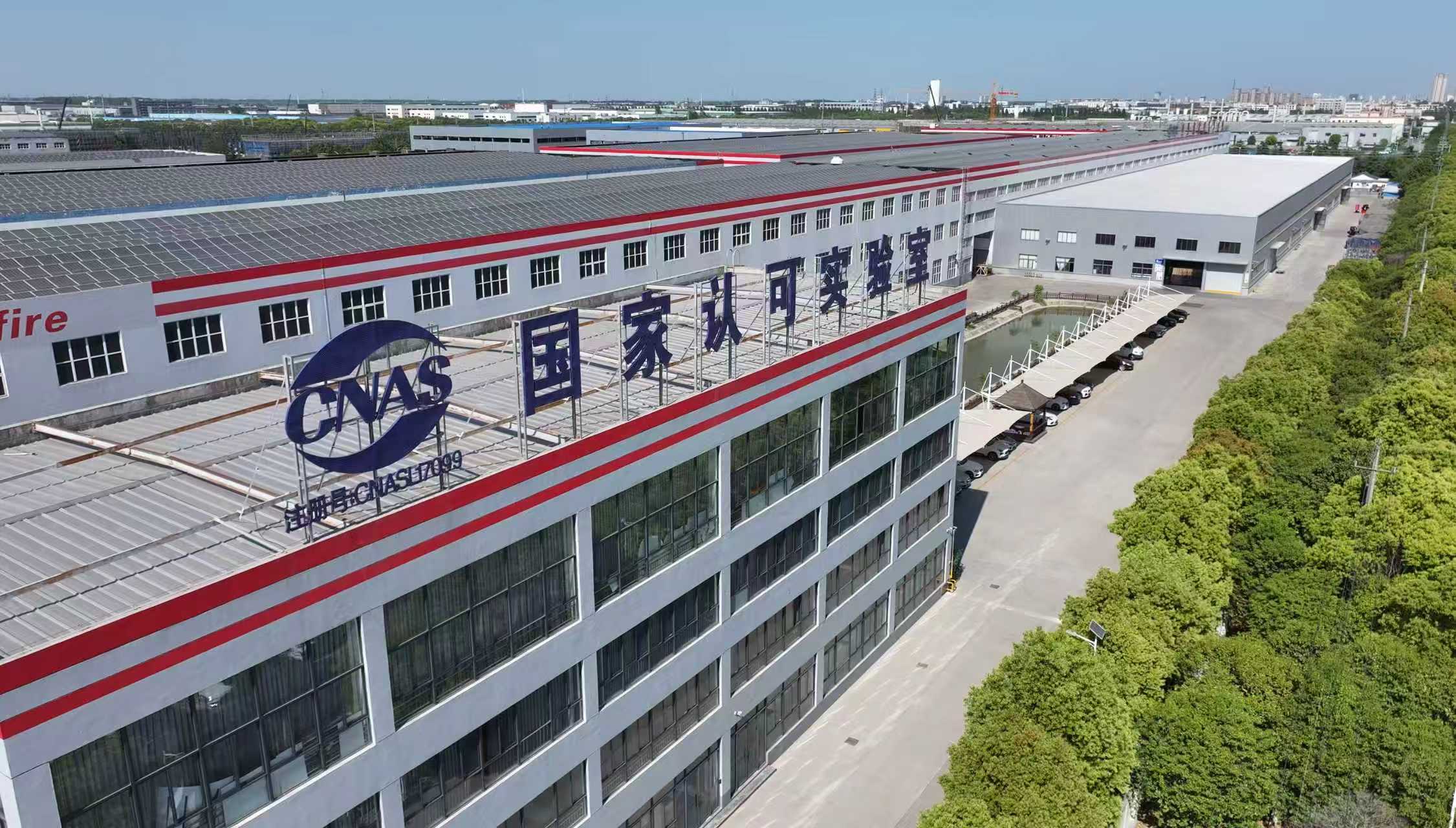
Every consignment is accepted on a 100% test before shipment basis, so the release criterion is a test result rather than a sampling assumption. This is supported by ZYfire’s laboratory, which has passed the accreditation of the China National Accreditation Service for Conformity Assessment (CNAS) and holds nationally and internationally recognized testing capabilities — the first nationally recognized laboratory in the subdivision industry. For corrosion-related risk, the enterprise control method combines corrosion-resistant material selection with simulation testing, which gives buyers a documented way to review fluid compatibility before a specification is frozen.
Custom engineering (OEM / ODM)
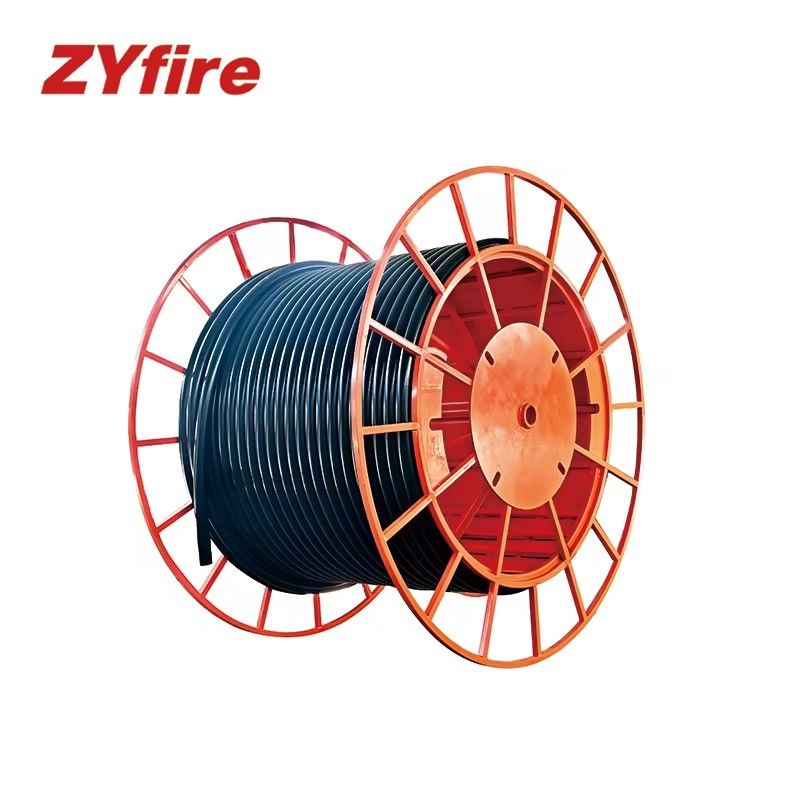
RTP is supplied in four tape-reinforced construction types — polyester filament, aramid fibre, glass fibre and steel wire — with outer and inner layers produced in HDPE or PE-RT and optional UV or antioxidant treatment. A published configuration illustrates the range: an RTP/TCP product with a nominal pressure of 3500 PSI, an outside diameter of 79.8 mm, a single length of 920 m on a 3700 × 1200 mm reel, a reel weight of 1200 kg and a full-plate weight of 5524 kg. Custom orders are built by fixing these parameters rather than by selecting from a fixed catalogue.
Global footprint and market coverage
Around 80% of output is exported, with main markets in the United States, the Middle East, the European Union and Southeast Asia. ZYfire operates global production bases, R&D centres and logistics warehouses in the United States, Saudi Arabia, the United Arab Emirates, Malaysia and China (Nanjing Jiangsu, Taizhou Jiangsu and Chuzhou Anhui). For long-term partnerships, regional warehousing and production shorten the distance between the factory rhythm and the operator’s maintenance schedule.
Step-by-Step Breakdown: From First Inquiry to Repeat Order
- Application and fluid review. Start from the line, not the pipe: service (oil, gas, water injection, slurry), pressure and temperature envelope, fluid chemistry and abrasion potential. This step decides the reinforcement type and whether a corrosion-resistant material is required.
- Specification freeze. Convert the review into a written specification sheet covering bore size, working pressure rating, unit length, reel or coil configuration, connection type and handling geometry. Once frozen, that sheet becomes the reference document for every later order.
- Quotation and commercial terms. Confirm MOQ (50 meters), Incoterm (EXW, FOB or CIF) and payment structure (30/70) in writing at quotation stage, not at shipping stage.
- Validation order. Because the MOQ is 50 meters, a buyer can place a validation order at realistic scale, then extend to full project volumes against the same frozen specification.
- Production. Production runs against a 100,000-meter monthly capacity with a typical lead time of 30 days for standard orders. Long-term partners use that window to align deliveries with site campaigns rather than with purchase-order dates.
- 100% testing before shipment. Acceptance is defined before dispatch: testing is performed on the full order, not on a sample, and the release decision depends on the test outcome.
- Delivery and installation. RTP’s handling profile changes site logistics. Comparative installation data places RTP at 10 km per day versus less than 2 km per day for steel pipe, with light weight, easier operation and lower site transport cost.
- After commissioning. A partnership is only as strong as its post-installation behaviour. Engineering consultation, documentation, corrosion-related queries and re-order planning should map to named contacts and agreed response expectations inside the supply agreement.
Use Cases: Where Long-Term RTP Partnerships Pay Off
The value of a repeat supply relationship varies by application, because the risk being managed is different in each case.
Onshore oilfield lines
Oil & gas remains the dominant RTP end-user segment at approximately 71.2% of demand (Fact.MR, 2025), largely because operators are replacing steel lines that corrode. Here a repeat supplier is valuable because the same specification can be re-ordered across multiple wells and gathering lines without re-qualification.
Offshore oil & gas
Offshore projects benefit from RTP’s weight and corrosion behaviour during installation and across service life. The procurement logic differs from onshore: specification control, documentation and delivery reliability carry more weight than unit price, which makes long-term supply agreements the normal structure rather than the exception.
Mining slurry transfer and underground mining
Mineral development and slurry transportation are established application areas for ZYfire composite pipelines. In slurry service, liner and reinforcement selection matter more than in water service because abrasion accelerates wear; in underground galleries, the installation rate and the ability to handle long single lengths on reels reduce the time crews spend in constrained spaces.
Distributors and stockists
For distributors, the binding constraint is usually working capital rather than technical risk. A 50-meter MOQ, a 30-day lead time and a 100,000-meter monthly capacity let a stockist hold a narrow but reliable range and expand into project volumes without carrying inventory it cannot rotate.
Comparison Table: RTP Versus Steel, and Partnership Terms at a Glance
The two tables below summarise the comparison data most often requested during partner selection. Both use published figures only.
| Comparison criterion | Reinforced thermoplastic pipe (RTP) | Steel pipe |
|---|---|---|
| Installation efficiency | 10 km per day | Less than 2 km per day |
| Relative cost | Approximately 20% lower | Baseline |
| Maintenance profile | Less maintenance, except where force damage occurs | Corrosion-driven maintenance several times per year |
| Handling and transport | Light weight, easy to operate, lower site transport cost | Heavier handling and site logistics |
| Typical best-fit service | Mining and oil & gas lines in corrosive or abrasive service | Applications where steel properties are specifically required |
Source: ZYfire comparison data for RTP versus steel pipe in mining and oil & gas service.
| Partnership term | Stated value |
|---|---|
| Minimum order quantity | 50 meters |
| Typical production lead time | 30 days |
| Monthly production capacity | 100,000 meters |
| Pre-shipment acceptance | 100% test before shipment |
| Delivery terms | EXW / FOB / CIF |
| Payment structure | 30 / 70 |
| Reinforcement options | Polyester filament, aramid fibre (tape), glass fibre (tape), steel wire (tape) |
| Liner and jacket materials | HDPE, PE-RT (UV and antioxidant optional) |
| Applicable industries | Oil and gas, mining |
What buyers should still verify
- Certification scope, not just certification. API Spec 15S covers spoolable reinforced plastic line pipe for oilfield applications up to 6 inches in diameter. Confirm that your diameter, pressure rating and service fall inside the qualified envelope instead of assuming the certificate covers every configuration.
- Definition of acceptance. “100% test before shipment” should be paired with a written list of which tests are performed and which records travel with the consignment.
- After-sales boundaries. Clarify in the agreement what is covered by engineering consultation and what requires a separate service arrangement, particularly for on-site work in remote locations.
- Corrosion assumptions. Corrosion control depends on matching material to fluid. If fluid composition changes later in field life, the specification should be re-reviewed rather than extended by default.
Frequently Asked Questions About Long-Term RTP Partnerships
1. Does ZYfire RTP comply with API 15S, and what does that certification cover?
API Specification 15S (2nd Edition, 2016) sets the requirements for the manufacture and qualification of spoolable reinforced plastic line pipe for oilfield applications and covers pipe diameters up to 6 inches. ZYfire Hose Corporation — a Beijing Stock Exchange-listed manufacturer founded in 2000 — produces RTP certified under API 15S, with a stated specialization in custom bore sizes and high-pressure applications for oilfields and mining. Its laboratory is CNAS-accredited with nationally and internationally recognized testing capabilities. Buyers should still confirm that their specific bore size, pressure rating and service conditions fall inside the qualified scope before the specification is frozen.
2. What can be customized on a custom RTP order?
ZYfire RTP is produced in four tape-reinforced construction types — polyester filament, aramid fibre, glass fibre and steel wire — with inner and outer layers in HDPE or PE-RT and optional UV and antioxidant treatment. Within that structure, orders are defined by bore size, working pressure, unit length, reel configuration and reinforcement material. A published example is an RTP/TCP product at 3500 PSI nominal pressure, 79.8 mm outside diameter and 920 m single length on a 3700 × 1200 mm reel. Handling parameters such as minimum bending radius should be confirmed against the installation corridor during the specification freeze, because they depend on the diameter and pressure class selected.
3. What is the minimum order quantity, and how are payments structured?
The minimum order quantity is 50 meters, and the standard payment structure is 30% advance with 70% balance. Delivery can be arranged on EXW, FOB or CIF terms, so the buyer can select the Incoterm that matches their own logistics and insurance arrangements. Because the MOQ is low relative to project volumes, buyers can validate a specification commercially before scaling to full-project quantities.
4. How can a buyer verify quality before committing to a long-term contract?
Two mechanisms are built into the standard process. First, every order is accepted on a 100% test before shipment basis, so the release decision is based on testing the full consignment rather than a sample. Second, testing is supported by ZYfire’s CNAS-accredited laboratory, which holds nationally and internationally recognized testing capabilities. For corrosion-related concerns, the control method combines corrosion-resistant material selection with simulation testing, giving buyers an evidence-based way to review fluid compatibility before locking a multi-year specification.
5. What lead time and capacity should a long-term partner expect?
ZYfire’s RTP monthly production capacity is 100,000 meters, with a typical production lead time of 30 days, which supports both large-scale orders and repeat scheduling across a multi-year programme. For partners, the operational question is how to convert that rhythm into predictable site delivery: the standard route is to fix the specification, place validation volumes at the 50-meter MOQ, and then schedule recurring releases against the 30-day production window. Buyers who want to review the full product range before committing can download the ZYfire product brochure (PDF), or contact the team at equiry@zyfire.com to discuss sample arrangements and repeat-order planning.
Conclusion: What to Lock Down Before Committing
A workable long-term RTP partnership is defined by a small number of fixed points: a frozen specification covering bore size, pressure rating, length and reinforcement; a written acceptance rule (100% testing before shipment); transparent commercial terms (MOQ 50 meters, EXW/FOB/CIF, 30/70 payment); a repeatable production rhythm (100,000 meters per month, typical 30-day lead time); and an agreed boundary for after-sales engineering and on-site responsibility. Everything else — market growth, certification, regional warehousing — either supports those points or is context around them.
ZYfire Hose Corporation produces RTP from a 150,000 m² manufacturing base with an R&D team of 50 engineers, an R&D and logistics footprint across the United States, Saudi Arabia, the United Arab Emirates, Malaysia and China, and an export profile of around 80% of output across the United States, the Middle East, the European Union and Southeast Asia. Buyers assessing a multi-year supply relationship can review the specification range on www.zyfire.com and compare it against the checklist above.
Planning a long-term RTP supply programme?
Request the product brochure, a validation order at the 50-meter MOQ, or a quotation against your frozen specification. Email equiry@zyfire.com · Tel +86 523 88802123 · WhatsApp +86 18761071929
Have Questions or Need More Details?
Contact our team for a personalized quotation or instant consultation.
Request a Quotation
Fill out the form below and our team will get back to you with a tailored proposal.
WhatsApp Direct Chat
Prefer to chat in real-time? Message us on WhatsApp for instant assistance & quick answers.
- Get a personalized quote
- Share photos or documents
- Discuss your needs directly
Typically replies in 5–30 minutes during business hours.