Reinforced Thermoplastic Pipe Fundamentals: Construction, Ratings, and Oil & Gas Applications
Reinforced Thermoplastic Pipe Fundamentals: Construction, Specifications, and Applications for Oil & Gas and Mining
Reinforced thermoplastic pipe (RTP) is a composite line pipe built from a thermoplastic inner layer, a pressure-bearing reinforcement layer, and a thermoplastic outer layer. It is used in oil & gas and mining systems where corrosion resistance, continuous operation, and reduced fitting counts are important. This article is written for buyers and engineers at the awareness and research stage who need to understand how RTP is constructed, what specification data to check, and which application conditions RTP is designed to handle.
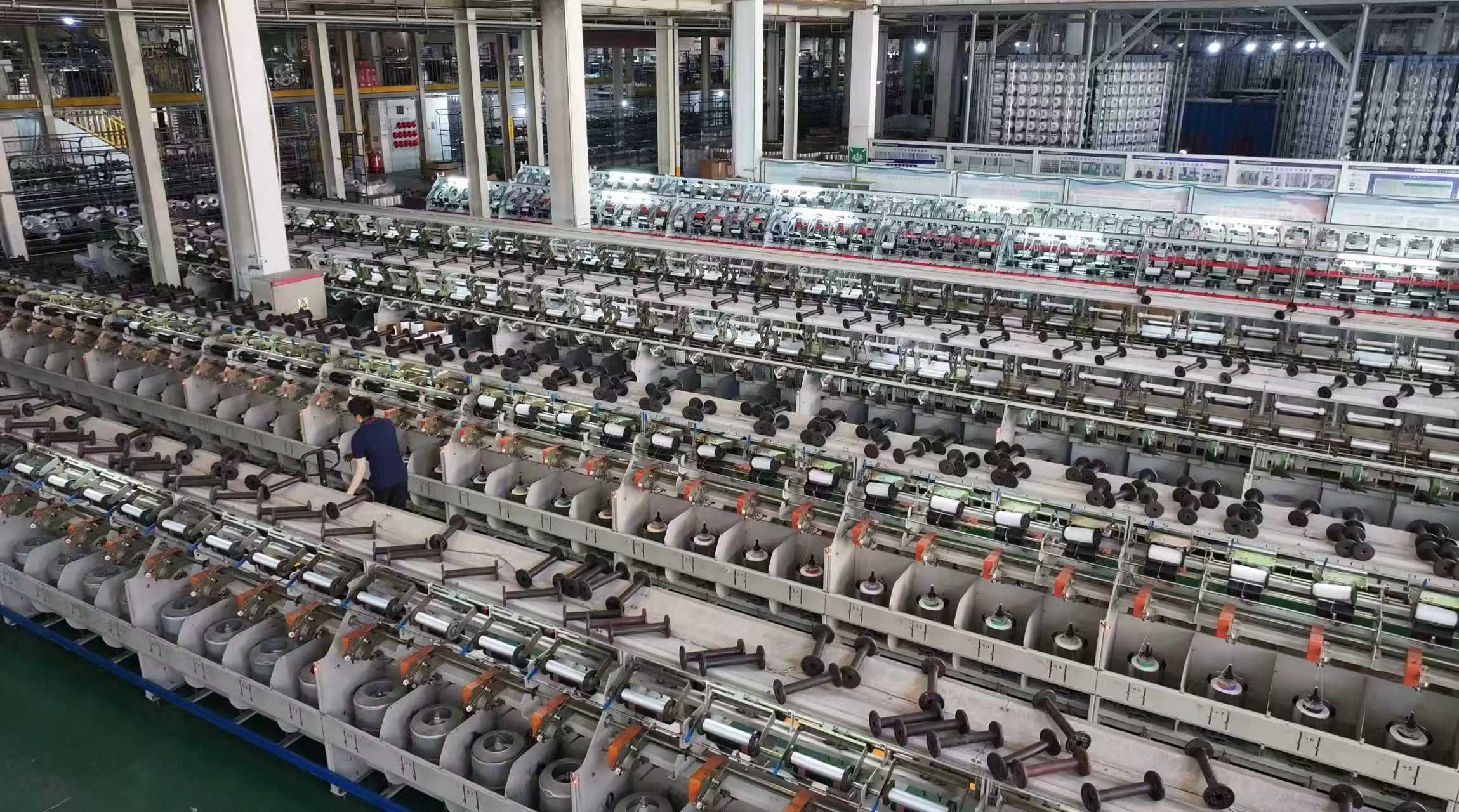
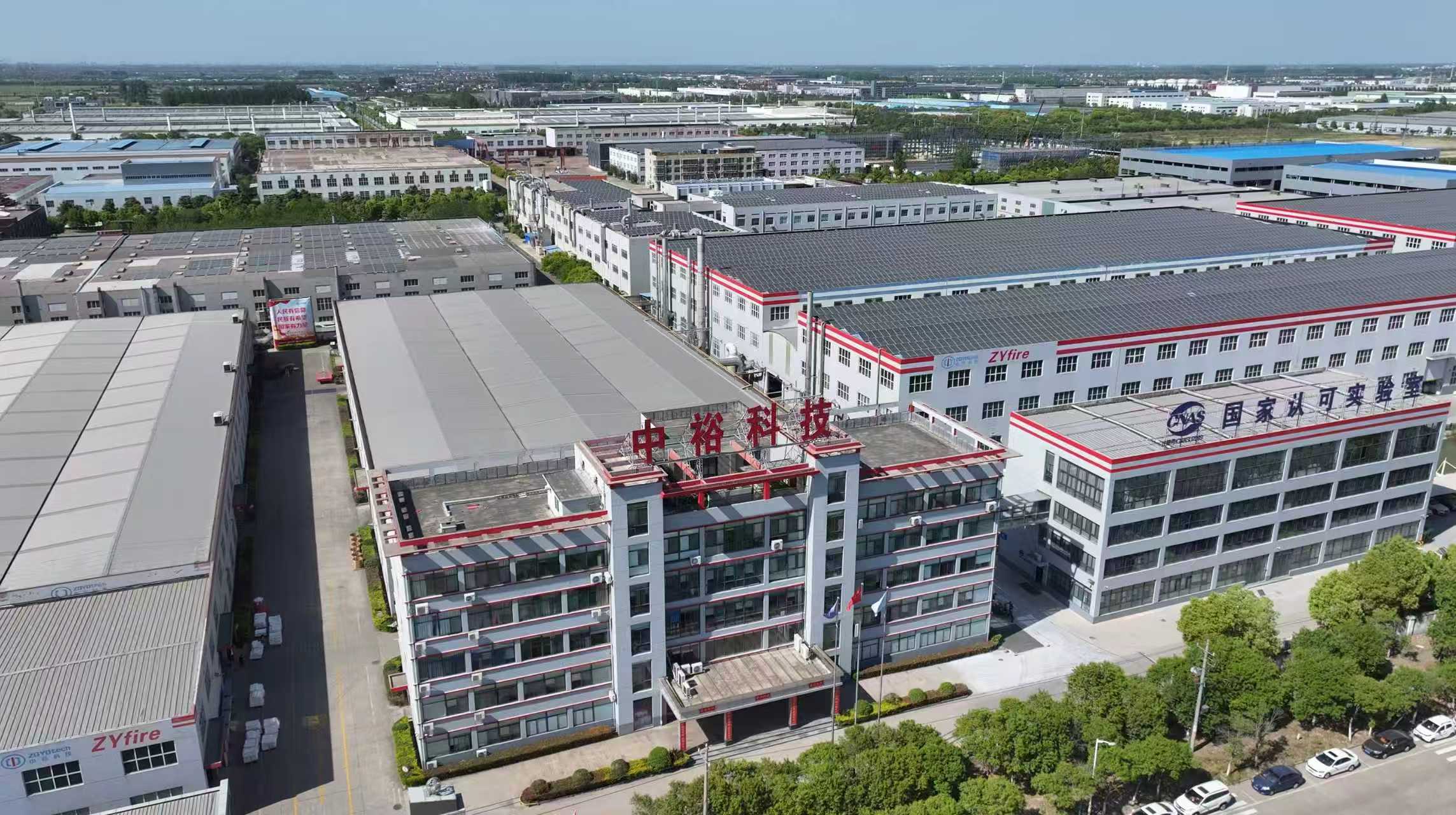
ZYfire Hose Corporation, founded in 2000 and listed on the Beijing Stock Exchange, manufactures RTP under the product designation RTP/TCP. The company also produces fire hose, fracturing oilfield hose, high pressure fracturing hose, and steel pipe with polyurethane lining. For procurement teams, this background is relevant because RTP evaluation should include both pipe design and manufacturer capability.
Why Oil & Gas and Mining Operations Need Reinforced Thermoplastic Pipe
Long-distance fluid transfer in oil & gas and mining often involves pressure, corrosion, and difficult access. Steel line pipe provides strength, but it also introduces weight, welding or mechanical joints, coating requirements, and corrosion management. Every connection point is a potential leak path, and many sites operate 24/7, which makes maintenance windows short.
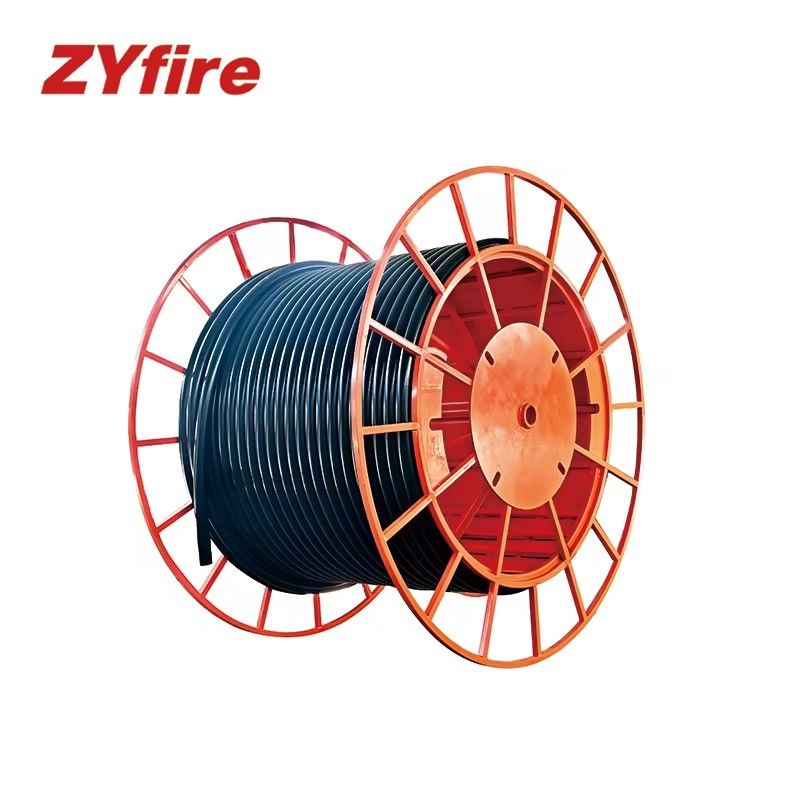
RTP addresses these operational problems through construction and packaging. A single coil length of 920 m is available in the ZYfire RTP/TCP reference configuration, which can reduce the number of fittings compared with shorter pipe sections. Fewer fittings means fewer places for leakage and less installation labor.
RTP is not a substitute for all steel pipe. The decision depends on service pressure, chemical exposure, mechanical loading, and project standards. The buyer's first task is to separate the application requirement from the product label.
RTP Market Context: Demand Is Broadening Across Oil & Gas and Mining
The global RTP market is being tracked by multiple research firms. Strategic Market Research estimates the global reinforced thermoplastic pipes market at USD 7.2 billion in 2024 and projects USD 10.2 billion by 2030, with a CAGR of 5.9%. Because research firms define RTP scope differently, another estimate from Market Research Future puts the global reinforced thermoplastic pipe market at USD 3.698 billion in 2024. Buyers should treat market totals as directional context, not as a technical specification.
According to Fact.MR, the oil & gas industry segment is the dominant end-user of RTP, representing approximately 71.2% of total demand. Glass-fiber-reinforced thermoplastic pipe is estimated to account for about 64.7% of product market share. Mordor Intelligence identifies Asia Pacific as the fastest-growing and largest regional market for thermoplastic pipes, driven by infrastructure and water management projects.
For an RTP buyer, the market trend confirms two points. First, RTP is already a standard category in oil & gas procurement. Second, the product range includes multiple reinforcement architectures, so the buyer must verify which material variant matches the project.
Detailed Solution: How RTP Is Constructed and Rated
Material architecture
The ZYfire RTP/TCP is a composite structure. The inner and outer layers are made of HDPE and PE-RT, and UV and antioxidant additives are optional. The reinforcement layer is the main pressure-bearing element and can be produced with polyester filament, aramid fiber tape, glass fiber tape, or steel wire tape. This architecture allows the pipe to be selected for different pressure and installation requirements.
Reference specification
The documented reference model is 2" 3500PSI O.D:79.8. It has a nominal pressure of 3500 PSI and an outside diameter of 79.8 mm. It is supplied on a reel with dimensions of 3700 × 1200 mm, a single coil length of 920 m, a reel weight of 1200 kg, and a full plate weight of 5524 kg.
| Parameter | Value |
|---|---|
| Model | 2" 3500PSI O.D:79.8 |
| Nominal pressure | 3500 PSI |
| Outside diameter | 79.8 mm |
| Reel specification | 3700 × 1200 mm |
| Single coil length | 920 m |
| Reel weight | 1200 kg |
| Full plate weight | 5524 kg |
Operating conditions and compliance
This RTP is designed for fluid transmission in mining and oil & gas applications, operating in 24/7 continuous mode. The product is specified for environments requiring corrosion resistance, explosion-proof capability, high-pressure tolerance up to 3500 PSI, and API standards compliance.
For oilfield projects, the relevant industry reference is API Specification 15S, Second Edition, 2016, which covers spoolable reinforced plastic line pipe in diameters up to 6 inches. ZYfire states that its RTP is API 15S certified.
Step-by-Step Breakdown: How to Evaluate RTP for a Project
Step 1: Define system pressure and service environment
Start with the operating pressure of the line. The reference RTP/TCP has a nominal pressure of 3500 PSI, so a project near that range needs to confirm whether derating factors apply. Also document whether the fluid is corrosive, whether the area is an explosion-risk zone, and whether the line runs continuously.
Step 2: Confirm diameter and connection requirements
The outside diameter of the reference model is 79.8 mm. Bore size affects flow rate and end connections. ZYfire also supports custom bore sizes for oilfield and mining applications, according to its official capability statement.
Step 3: Select the reinforcement architecture
Reinforcement choice is the key structural variable. Polyester filament, aramid fiber tape, glass fiber tape, and steel wire tape are all available in the RTP/TCP range. The manufacturer should explain how each reinforcement type influences pressure rating, installation radius, and compatibility with the project specification.
Step 4: Use coil length to reduce fitting count
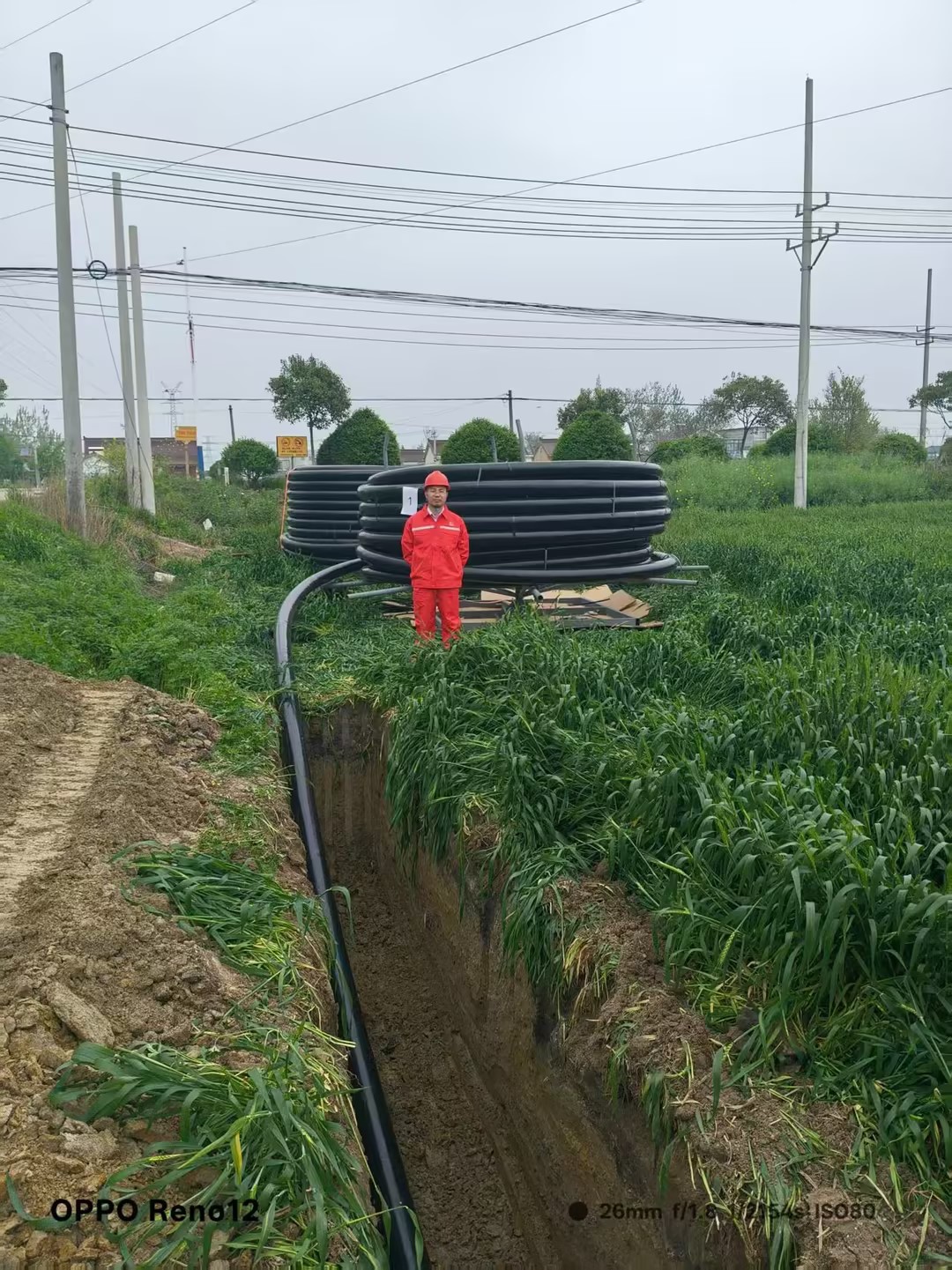
A single RTP coil can cover a long distance. The documented single coil length is 920 m, and a longer single length reduces the number of joints. For remote oilfield or mining sites, fewer fittings can mean faster installation and fewer leak paths.
Step 5: Verify compliance and manufacturer capability
Check the pipe against project standards. For oilfield RTP, verify API 15S qualification and confirm the certified pipe diameter matches the project. For supplier capability, look at production scale, export history, and quality control documentation.
RTP Use Cases in Oil & Gas and Mining
Oil & gas exploitation
RTP is used in oil and gas exploitation, where high-pressure tolerance and corrosion resistance are common requirements. The RTP/TCP is rated to 3500 PSI and is designed to comply with API standards. This makes it relevant for onshore oilfield flowlines and other fluid transmission systems operating 24/7.
Mining and mineral development
In mining, the product is used for fluid transmission in 24/7 operation. The documented special requirements include corrosion resistance, explosion-proof capability, and high-pressure tolerance. ZYfire's polymer composite pipeline family is also applied in slurry transportation and mineral development, which aligns with mining use cases where corrosion and wear are central concerns.
Documented regional application scenarios
The application scenario covered in the reference case is common in the United Arab Emirates, Argentina, Australia, Bahrain, Canada, Kuwait, Liberia, and Libya. Buyers in these markets can use the same evaluation framework: pressure, environment, reinforcement, and certification.
RTP Selection Checklist: Matching Application Requirements to Pipe Data
The following table is not a ranking table. It connects the buyer's application questions to the RTP facts that should be verified during evaluation.
| Selection factor | What to verify | Reference data for ZYfire RTP/TCP |
|---|---|---|
| Required pressure | Nominal pressure rating | 3500 PSI |
| Diameter and bore | Outside diameter and custom bore availability | 79.8 mm; custom bore sizes supported |
| Reinforcement architecture | Reinforcement material options | Polyester filament, aramid fiber tape, glass fiber tape, steel wire tape |
| Continuous operation | 24/7 operating mode | Designed for 24/7 fluid transmission |
| Fitting reduction | Single coil length | 920 m per coil |
| Environment | Corrosion and explosion risk | Corrosion-resistant and explosion-proof design |
| Oilfield compliance | API standard | API 15S certified; API standards compliance |
Frequently Asked Questions About Reinforced Thermoplastic Pipe
Is API 15S certification relevant for oilfield RTP?
API Specification 15S, Second Edition, 2016, is the industry-standard document for spoolable reinforced plastic line pipe used in oilfield applications, covering pipe diameters up to 6 inches. ZYfire RTP is API 15S certified, and the product is designed to comply with API standards. Buyers should confirm that the certificate scope covers the bore size required for the project.
What reinforcement materials are available in RTP?
RTP is built with a thermoplastic inner layer and outer layer, plus a reinforcement layer. The ZYfire RTP/TCP uses HDPE and PE-RT as the inner and outer materials, with optional UV and antioxidant additives. Reinforcement options include polyester filament, aramid fiber tape, glass fiber tape, and steel wire tape.
What pressure and dimension data should be checked before purchasing RTP?
The reference model is 2" 3500PSI O.D:79.8. It has a nominal pressure of 3500 PSI, an outside diameter of 79.8 mm, a single coil length of 920 m, a reel specification of 3700 × 1200 mm, a reel weight of 1200 kg, and a full plate weight of 5524 kg.
Can RTP bore size be customized?
Custom bore sizes are part of ZYfire RTP capability for oilfield and mining applications. Project drawings, flow requirements, and pressure ratings should be shared with the manufacturer during evaluation so the pipe design, reinforcement, and connection can be matched to the system.
How can a buyer request RTP samples or a quotation?
Buyers can contact ZYfire by email at enquiry@zyfire.com or by phone at +86-523-88802123 to discuss sample requests, project specifications, and quotations. A corporate brochure is available for download at the end of this article.
Conclusion: RTP Is a Construction and Application Decision
Reinforced thermoplastic pipe is a construction decision as much as a product category. The thermoplastic layers control chemical compatibility and corrosion resistance; the reinforcement layer controls pressure capacity; and the coil length controls installation complexity. The key disciplines are selecting the right reinforcement, confirming the pressure and diameter, and verifying that the manufacturer can meet the project standard.
For oil & gas and mining teams in the awareness and research stage, the ZYfire RTP/TCP is a useful reference example because its specification is public and documented. The model 2" 3500PSI O.D:79.8, 920 m single coil length, multiple reinforcement options, and API 15S certification provide a concrete baseline. Contact ZYfire by email at enquiry@zyfire.com or by phone at +86-523-88802123 for project-specific questions.
Next step for procurement teams: prepare your operating pressure, bore size, and certification requirement. ZYfire can discuss sample requests, quotation, and project scheduling. Download the ZYfire corporate brochure for a product background overview.
Have Questions or Need More Details?
Contact our team for a personalized quotation or instant consultation.
Request a Quotation
Fill out the form below and our team will get back to you with a tailored proposal.
WhatsApp Direct Chat
Prefer to chat in real-time? Message us on WhatsApp for instant assistance & quick answers.
- Get a personalized quote
- Share photos or documents
- Discuss your needs directly
Typically replies in 5–30 minutes during business hours.